The Nighttime Hair Routine That Saves Me 20 Minutes Every Morning
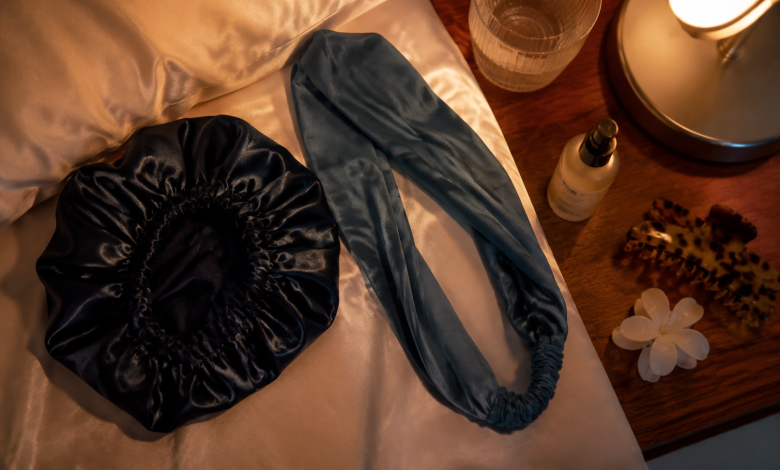
I used to be a morning person. Or at least, I told myself I was. Then I started tracking where my time actually went and the answer was humbling. Of the forty-five minutes I spent getting ready each day, nearly half of it was dedicated to my hair. Detangling, heat styling, waiting for it to dry after washing, fixing what had gotten crushed overnight. It wasn’t that I had complicated hair. It was that I had no system.
The shift didn’t come from a viral TikTok or a beauty influencer’s sponsored reel. It came from a conversation with my aunt, who has had the same effortlessly polished look every single morning for as long as I can remember. When I finally asked her secret, she laughed. “I don’t do anything in the morning,” she said. “I do everything at night.”
That one sentence reorganized my entire approach to hair care.
Why Morning Is the Worst Time to Deal with Your Hair
There’s a reason hair styling feels so frustrating before8 a.m. You’re working against biology. Cortisol is spiking, decision fatigue hasn’t fully kicked in yet but it’s coming, and your hair especially if you slept on it without any preparation is in its most chaotic state. Frizz has set. Tangles have tightened. If you washed it the night before without any protective styling, it’s either flat in all the wrong places or puffed up in ways that take real effort to correct.
Morning grooming works best when it’s finishing, not starting from scratch. The people who look like they rolled out of bed perfectly styled didn’t get lucky they did the setup work the night before and let time do the rest.
The Routine, Broken Down Honestly
I want to be upfront about something: this isn’t a ten-step K-beauty inspired ritual with seventeen products. I tried that approach for about a week and burned out completely. What actually stuck for me is a routine that takes between twelve and eighteen minutes before bed, depending on whether I’m washing that night or not. And it’s made my mornings almost laughably easier.
The anchor of the whole thing is something I call the “prep and protect” framework essentially, you’re doing two things every night without exception. You’re prepping your hair for the next day’s style, and you’re protecting it from the kind of damage and disruption that sleep creates.
Step one: loose detangling while hair still has some moisture
If I’ve showered that evening, I do this while my hair is about 70% dry not soaking wet, which can cause breakage, and not bone dry, which makes tangles fight back harder. I use a wide-tooth comb and work from the ends upward. This sounds obvious, but the critical thing here is patience. You’re not in a rush. This isn’t the morning scramble. Taking ninety seconds to detangle properly means you won’t spend seven minutes doing it the next morning over the sink.
On nights I haven’t washed, I lightly mist my hair with a water-and-leave-in-conditioner mix I keep in a small spray bottle on my nightstand. Just enough to soften it before combing through.
Step two: intentional styling for sleep
This is where most people skip a step and then wonder why their hair looks like it survived a windstorm. How you wear your hair to sleep directly determines how much work you’ll have to do in the morning.
For me, loose braids changed everything. Not tight braids those can leave creases and actually stress the hairline over time. I do two loose, low braids, which accomplishes several things simultaneously: it keeps my hair from tangling against my pillow, creates a gentle wave pattern I can work with in the morning, and prevents the flattening that happens when long hair just falls however it wants all night. If I want my hair straighter the next day, I do a loose low bun instead. The pressure of the bun, spread evenly, smooths the hair rather than creasing it.
Step three: the pillowcase switch
I resisted this one for years because it felt like an indulgence. Switching to a satin or silk pillowcase is genuinely one of the highest-return changes I’ve made. Cotton is essentially a friction machine for your hair. It grabs at strands, disrupts the cuticle, pulls out moisture, and creates the exact kind of frizz and breakage that you’ll spend twenty minutes fighting the next morning. Satin lets your hair slide. That’s it. That’s the whole science. Your morning frizz drops by a noticeable margin, your blowout lasts an extra day, and if you have fine hair that gets staticky, it almost entirely eliminates that problem.
Step four: a small amount of overnight treatment, targeted
I don’t do heavy oil masks every night that’s a weekend thing. But I do apply a small amount of hair oil or a lightweight overnight leave-in cream to my ends before bed every single time. The ends of your hair are the oldest part, the most porous, and the most prone to damage. They’re also the first thing people notice when hair looks dry or unhealthy. One minute of attention on them before sleep, consistently, has done more for the condition of my hair than any expensive salon treatment I’ve tried.
What the Mornings Actually Look Like Now
Here’s the honest version of my morning hair routine now: I take out my braids, run my fingers through, maybe hit a few spots with a small amount of smoothing cream, and either leave it as is or spend three minutes with a diffuser. That’s it. On good nights meaning I remembered all four steps and the pillow situation cooperated I don’t even need the diffuser. The wave pattern from the braids holds, the ends look healthy, and I’m out the door looking like I put in effort I technically put in the night before while watching television.
The twenty minutes I reclaimed aren’t just logistical. There’s a psychological dimension that I didn’t anticipate. When your morning doesn’t start with frustration wrestling with tangles, waiting for heat tools, trying to fix a style that’s fighting you your entire entry into the day changes. You start calmer. You’re not making small, annoyed decisions about whether to just put your hair up and give up on the whole thing. You feel, strangely, more in control.
My aunt knew this. She understood something I took years to learn: that the best morning habits are usually built the night before, in the quiet, unhurried hours when time feels less scarce. Hair is just one domain where this is true but it’s a surprisingly impactful one.
The most radical thing you can do for your mornings might be to stop thinking about them as the moment the work begins.