Why Everyone Is Obsessed With “Quiet Luxury” Gym Wear
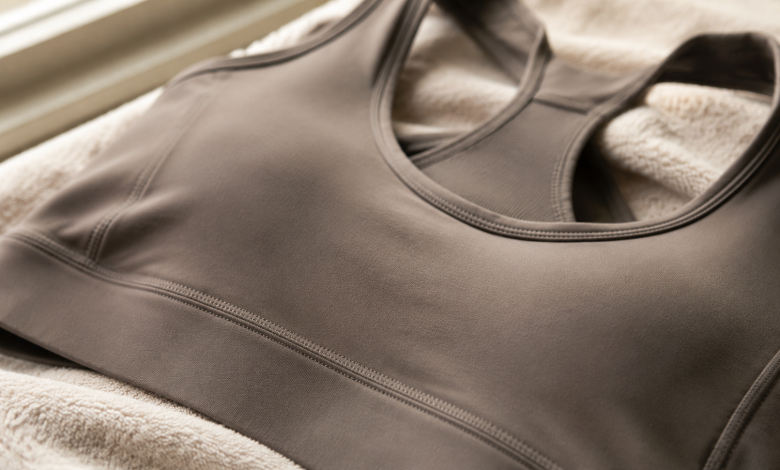
The $90 Sports Bra That Whispers Instead of Shouts
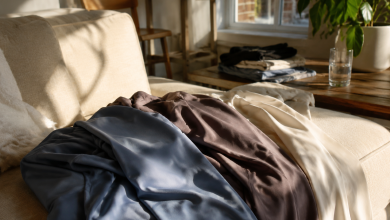
Walk into any boutique fitness studio in Manhattan, Austin, or West LA right now and you’ll notice something has shifted. The neon logos are gone. The aggressive color blocking has disappeared. In their place: muted taupes, oatmeal knits, charcoal compression fabrics that look almost indistinguishable from high-end loungewear. No visible branding. No screaming slogans. Just clean lines, impeccable stitching, and a price tag that would make your mother pause.
This is quiet luxury gym wear, and it has taken over with a speed that even the brands driving it didn’t fully anticipate.
The phenomenon didn’t emerge in a vacuum. It sits at the intersection of several cultural currents that have been building for years, a confluence of post-pandemic identity shifts, the maturation of athleisure, and a broader societal recoil against conspicuous consumption. But reducing it to a trend piece about rich people buying expensive leggings misses something far more interesting happening underneath.
What “Quiet Luxury” Actually Means When You’re Sweating
The quiet luxury conversation started in fashion proper, with Loro Piana cashmere and The Row’s minimalist tailoring and Succession’s wardrobe department making old money aesthetics aspirational again. That much has been written about endlessly. But the migration of this sensibility into activewear represents a genuinely different kind of consumer psychology.
Traditional luxury communicates through logos and recognizable design signatures. You buy Gucci so people know you bought Gucci. Quiet luxury, in theory, rejects that impulse. You buy the $400 cashmere sweater because you appreciate the hand feel, the construction, the longevity. Recognition from others is supposedly beside the point.
Now apply that framework to a gym setting. The gym is already a place where bodies are on display, where performance is visible, where effort is public. Wearing quiet luxury activewear in that environment creates a fascinating tension. You’re signaling sophistication precisely in the space where most people are at their most raw and unglamorous. The restraint becomes its own form of theater.
Brands like Alo Yoga’s premium line, Varley, Splits59, and newer entrants like Leset and The Upside have figured this out. They’re not selling you workout clothes. They’re selling you the version of yourself who looks effortlessly composed while doing something physically demanding. The woman in the $140 seamless tank the color of wet sand doesn’t look like she’s trying. That’s the entire point.
The Economics of Looking Like You Don’t Care
There’s a paradox baked into this movement that nobody in the industry wants to say out loud: quiet luxury gym wear costs more to produce, but it also costs more for reasons that have nothing to do with production.
A solid-color, logo-free compression legging in a technical Italian fabric might genuinely cost more in materials than a printed pair from a mass-market brand. Fair enough. But the markup on these pieces also reflects positioning, brand mythology, and the very exclusivity of restraint. When everyone else is loud, silence becomes expensive.
The consumer math works like this. A woman who previously bought two pairs of Lululemon Aligns per season at $98 each is now buying one pair of Varley leggings at $148and feeling like she made a smarter, more intentional purchase. She’s spending roughly the same or slightly more, but the narrative she tells herself has completely changed. She’s no longer a consumer chasing trends. She’s an investor in quality. She’s curating rather than accumulating.
This psychological reframing is where the real money lives. And the brands know it. Their marketing language has shifted accordingly. You won’t find words like “hot” or “fierce” or “crush your goals” in their copy. Instead: considered. Refined. Essentials. Architecture. The vocabulary of a gallery opening, not a boot camp class.
The Instagram Problem (and How It Became the Instagram Solution)
Here’s where things get contradictory in a way that’s genuinely revealing about how we live now.
Quiet luxury gym wear is supposed to reject the performative. It’s supposed to be about personal standards rather than external validation. And yet, its explosion is inseparable from social media. The aesthetic thrives on Instagram and TikTok precisely because minimalism photographs beautifully. A neutral-toned flat lay of a matching set, a pair of clean white trainers, and a Stanley cup creates an image that performs tastefulness. It reads as elevated without reading as try-hard.
The content creators driving this trend have millions of followers. They’re not exactly living in monastic silence. They’ve simply swapped one form of display for another. Instead of showcasing bold patterns and bright colors, they’re showcasing their ability to find the perfect shade of greige. Instead of flexing brand names, they’re flexing the knowledge of which obscure label uses the best modal blend.
This isn’t a criticism, exactly. It’s more of an observation about how consumer culture absorbs even the gestures meant to reject it. Quiet luxury was never really about opting out. It was always about opting into a different tier of the same game.
The Body Politics Nobody Mentions
There’s another layer to this conversation that tends to get politely sidestepped. Quiet luxury gym wear flatters a very specific body type and skin tone range. Those muted earth tones, those barely-there neutrals, those unstructured silhouettes that drape rather than compress, they are designed with a narrow physical ideal in mind.
This isn’t accidental. The quiet luxury ethos borrows heavily from a European old-money aesthetic that is, historically and presently, overwhelmingly white and thin. When the default color palette ranges from ecru to camel to slate, when the marketing imagery features almost exclusively size-2 bodies in airy loft spaces, the “universality” these brands claim starts to look a lot more like exclusivity by another name.
Some newer brands are pushing against this. Girlfriend Collective has built its identity on inclusive sizing and sustainable materials while maintaining a relatively minimal aesthetic. But the core quiet luxury activewear market remains remarkably homogeneous in who it imagines as its customer. The aspiration it sells isn’t just about taste. It’s about a very particular life, in a very particular body, with a very particular bank account.
Why This Moment, Specifically
The timing of quiet luxury gym wear’s ascent tells us something about where we are culturally. The pandemic years made athleisure mainstream to the point of total saturation. Everyone wore leggings everywhere. The category lost its novelty and, with it, any sense of distinction. If your Zoom-era uniform is now identical to your gym outfit, something has to give.
Simultaneously, inflation and economic anxiety have made conspicuous spending feel gauche in certain social circles. Wearing an obviously expensive outfit to a SoulCycle class reads differently in2024 than it did in 2018. The flex has to be subtler now, more deniable. Quiet luxury offers that deniability. “Oh, this? It’s just a basic set I throw on.” The fact that the basic set costs $300 remains politely unspoken.
There’s also genuine pandemic-era exhaustion with stimulation. Years of doomscrolling, of visual noise, of maximalist everything have created a real appetite for visual calm. People are painting their walls in warm whites and buying linen bedding and choosing gym clothes that look like they belong in a Kinfolk editorial. The desire for serenity is authentic, even if its commercial expression is carefully manufactured.
Where It Goes From Here
Trends that position themselves as anti-trend have a particular lifecycle. They burn hot among early adopters, get democratized by fast fashion, lose their signifying power, and then the people who started them move on to the next thing. We’re arguably already entering the democratization phase. Shein and Temu are full of dupes in muted tones. Target’s activewear section has gone noticeably beige.
What happens when quiet luxury gym wear loses its quietness? When the codes become legible to everyone, when the $28 Amazon version is visually indistinguishable from the $168 original? The people for whom this was always about distinction rather than genuine preference will migrate elsewhere. Maybe toward something louder again, completing the cycle.
But some version of this aesthetic will endure, because the underlying desire it addresses is real. People want to feel put together. They want clothes that transition from workout to errand to coffee without requiring a costume change. They want to feel like adults in spaces that have traditionally been dominated by juvenile branding. Quiet luxury gym wear answers all of that, regardless of what the next micro-trend happens to be.
The obsession makes perfect sense once you stop looking at it as merely a fashion moment and start seeing it as a lifestyle negotiation. We want to be fit but not vain. Rich but not flashy. Intentional but not uptight. These clothes promise to resolve those contradictions for us, one $90 sports bra at a time. Whether they actually deliver is, of course, a different question entirely.