Stop Washing Your Hair Like This: 5 Mistakes You’re Making in the Shower
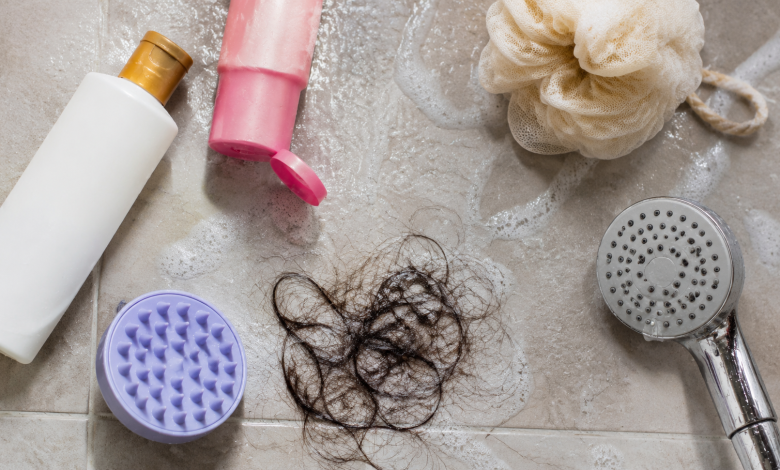
Most people have been washing their hair the same way since they were old enough to reach the showerhead. A squeeze of shampoo, some vigorous scrubbing, a rinse, maybe conditioner if you’re feeling virtuous and done. It feels clean. It smells good. What could possibly be wrong?
Quite a lot, as it turns out. The frustrating reality is that many of the habits we consider “just washing your hair” are quietly sabotaging the health of our scalp and strands. Frizz, breakage, oiliness that returns within a day, a dry scalp that flakes no matter what product you throw at it these aren’t random bad luck or genetic destiny. They’re often the direct result of technique. Specifically, technique that nobody ever bothered to teach us.
Here are the five mistakes most people make every single time they shower, and what actually happens to your hair because of them.
You’re Using Water That’s Too Hot
Hot showers feel incredible. There’s almost nothing better after a long day than standing under near-scalding water and letting it work on your shoulders. The problem is that your hair doesn’t share your enthusiasm.
Hot water lifts the cuticle the outer protective layer of each hair strand and keeps it open. When those microscopic scales are raised and exposed, moisture escapes freely, proteins leach out, and the strand becomes structurally weaker. Do this repeatedly and you end up with hair that’s simultaneously dry and frizzy, because the cuticle can no longer lie flat or retain what it needs to stay supple.
Your scalp takes the hit too. The same heat that strips oils from your skin strips the scalp’s natural sebum, triggering it to overproduce oil in compensation. If you’ve ever noticed your hair getting greasier faster the more you wash it, heat is almost certainly part of the feedback loop you’ve accidentally created.
The fix isn’t a cold shower nobody’s asking for that sacrifice. Washing your hair in lukewarm water and finishing with a cool rinse does the job. The cool water closes the cuticle back down, which is also why hair looks shinier after cold rinsing. It’s not a myth. The physics actually work.
You’re Applying Shampoo to Your Lengths and Ends
This one seems counterintuitive because we’ve been taught that clean means covered. If you’re shampooing, you shampoo all of it right? But shampoo is a detergent, and detergent applied directly to already-dry mid-lengths and ends is almost always too much.
The ends of your hair are the oldest part. They’ve been through more washes, more heat styling, more sun exposure than any other section. By the time hair has grown a few inches from the scalp, its cuticle is already somewhat worn. Scrubbing shampoo into those sections doesn’t clean them better it just strips what little protection they have left.
The scalp is where oil and product residue actually accumulate. That’s where shampoo belongs. When you lather the roots thoroughly and let the suds rinse down through the rest of your hair, the lengths get clean enough without being subjected to direct detergent contact. Stylists and trichologists have been saying this for years, and it genuinely changes the texture of hair for most people within a few weeks of adjusting the habit.
You’re Scrubbing With Your Fingernails
The scratching motion feels satisfying. It creates that feeling of really getting in there and cleaning, and it temporarily relieves any scalp tension or itchiness. Unfortunately, your fingernails even short ones create micro-abrasions on the scalp with consistent pressure and dragging.
A healthy scalp has a skin barrier just like the rest of your body, and repeated mechanical damage to that barrier disrupts the microbiome that lives on it. Scalp microbiome research is a relatively recent field, but what’s become clear is that the balance of bacteria and fungi on your scalp plays a direct role in whether you experience dandruff, irritation, and even hair shedding. Disrupting that balance regularly doesn’t just cause temporary irritation it can shift the scalp’s baseline condition over time.
Massaging with the pads of your fingers instead of your nails still stimulates circulation which is genuinely beneficial for follicle health without the abrasion. It takes about a week to retrain the instinct, and after that it becomes automatic. Some people find the pad-massage technique so effective at relieving scalp tension that they prefer it.
You’re Conditioning From Root to Tip
The opposite of the shampoo mistake, but equally common. Conditioner feels moisturizing and protective, so the logic goes: more coverage, more benefit. Apply it everywhere. Leave it on as long as possible. More is more.
Here’s the issue. Conditioner is formulated with ingredients usually silicones, fatty alcohols, and cationic polymers that coat the hair shaft to smooth the cuticle and reduce friction. On the mid-lengths and ends, this is exactly what you want. At the roots, these same coating agents build up on the scalp, weigh down new growth, and clog follicles if you’re not diligent about removal. The result looks like flat, greasy roots and lank hair even right after washing.
Roots produce their own oil. They don’t need what conditioner is designed to provide. Starting conditioner at least an inch or two below the roots more if your hair tends to get oily quickly keeps the scalp clear while still giving the lengths the treatment they actually need. It’s a simple spatial adjustment that makes an immediate difference in how hair moves and how long a wash actually lasts.
You’re Rubbing Your Hair Dry With a Towel
The shower is done, the washing is finished, and then comes the moment that undoes a lot of the careful work: the aggressive towel rub. It’s fast, it’s satisfying, it gets the dripping under control. It’s also one of the more damaging things you can regularly do to wet hair.
Wet hair is in its most vulnerable state. The water that’s penetrated the shaft temporarily disrupts the hydrogen bonds that give hair its structure, making it stretchy and soft in a way that dry hair isn’t. In this state, friction doesn’t just ruffle the cuticle it can snap the hair shaft outright. The rougher the towel and the more vigorous the rubbing, the more mechanical damage accumulates. This shows up as frizz, flyaways, split ends, and breakage that starts mid-strand rather than at the tips, which is a sign the damage is happening during the drying process rather than from styling.
Wrapping hair in a towel turban-style creates similar torsion and tension at the roots, which is particularly hard on finer hair types and anyone with curls.
The alternative is to gently squeeze water out section by section, then either air dry or use a microfiber towel the finer weave creates dramatically less friction than standard terry cloth. It feels less satisfying, which is probably why it took so long for most people to switch. But frizz reduction is noticeable almost immediately, even in hair that’s been frizzy for years.
The Pattern Underneath All of This
What ties these five mistakes together isn’t carelessness it’s the fact that our default instincts for “clean” and “thorough” tend to work against hair specifically. Scrubbing harder, rinsing in hotter water, applying more product, rubbing until dry these feel like the right moves. They’re the vocabulary of getting something clean. But hair responds to a different logic, one that prioritizes protection and gentleness over the sensation of aggressive cleansing.
Once you shift the mental model from cleaning as a forceful act to cleaning as a careful one, the adjustments start to feel intuitive rather than inconvenient. Cooler water. Lighter hands. Product placed where it’s actually needed. And a towel used for patting instead of scrubbing.
The shower is two minutes of your day. The cumulative effect of what happens in those two minutes, repeated hundreds of times a year, shapes what your hair actually looks and feels like. That’s worth paying attention to.