The Scientific Reason Your Scalp Gets Greasy Just 24 Hours After Washing
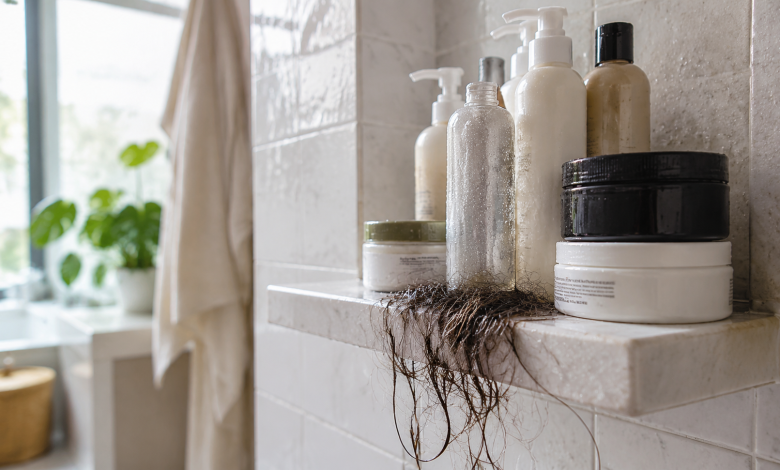
You wash your hair in the morning, blow it dry, and step out feeling clean. By the next day sometimes before dinner your roots are already slick, your part looks shiny in the wrong way, and you’re wondering if you somehow skipped a shower. You didn’t. Your scalp just has a very efficient, very stubborn biological system working against your clean-hair goals. Understanding why this happens isn’t just satisfying trivia. It actually changes how you approach the whole problem.
It Starts With the Sebaceous Glands
Every hair follicle on your scalp sits next to a sebaceous gland. These glands produce sebum, an oily substance made up of triglycerides, wax esters, squalene, and free fatty acids. Sebum’s original job is protective it coats the hair shaft to prevent moisture loss, maintains the scalp’s slightly acidic pH, and provides a barrier against environmental bacteria and fungi. In the right amount, it’s what gives hair its natural shine and softness. The problem is that “the right amount” is an entirely individual variable, and for a significant portion of people, the glands produce far more than their hair or scalp actually needs.
Sebum production is regulated largely by androgens, particularly dihydrotestosterone (DHT) and testosterone. This is why oiliness often spikes during puberty, during hormonal shifts in the menstrual cycle, or under chronic stress cortisol can indirectly stimulate androgen activity, pushing the glands into higher output mode. Genetics determine your baseline sebaceous gland size and sensitivity to androgens, which is why some people can go four days without washing and still look presentable, while others are greasy by nightfall.
The Rebound Effect Is Real, and You’re Probably Triggering It
Here’s where it gets counterintuitive. One of the most common reasons people find themselves in a rapid-grease cycle is that they’re washing too frequently, and with the wrong products.
When you strip the scalp of its sebum using a harsh, sulfate-heavy shampoo, the glands detect the sudden loss of oil and interpret it as a deficit. They respond by ramping up production to compensate. Do this every day for several weeks, and you essentially train your sebaceous glands to operate at a higher baseline. The more aggressively you cleanse, the faster the oil returns not because your scalp is naturally this oily, but because it’s been conditioned into a state of chronic overproduction.
This rebound sebum response has been documented in dermatological research, and it’s the core reason many people who switch to less frequent washing report that their hair becomes less oily over several weeks. The glands recalibrate downward once they’re no longer being constantly depleted. It takes patience the transition period can last two to four weeks, and it’s uncomfortable but the biological logic is sound.
Your Diet, Your Hormones, and Your Stress Levels Are All Contributing
Sebum composition isn’t just about genetics. What you eat directly influences what your glands secrete. Diets high in refined carbohydrates and sugar raise insulin and insulin-like growth factor (IGF-1) levels, both of which stimulate sebaceous gland activity. Dairy, particularlyskim milk, has a notable association with increased sebum production in several studies, likely because of its hormonal content and IGF-1 stimulation. This doesn’t mean you need to overhaul your entire diet over a greasy scalp, but it does explain why some people notice real differences when they reduce processed sugar or dairy intake.
Stress deserves its own mention here. The scalp has a high density of nerve endings, and sebaceous glands are closely connected to the stress-response system. Under psychological pressure, your body elevates cortisol, which in turn affects androgen levels and can directly stimulate local sebum secretion. People who go through periods of intense work stress or sleep deprivation frequently report a noticeable uptick in scalp oiliness and they’re not imagining it. The sebaceous gland is genuinely responsive to the nervous system in ways that researchers are still mapping.
Why the Scalp Specifically And Why It’s Different From Your Face
The scalp has a higher density of sebaceous glands than almost any other area of the body except the face. Some estimates put it at around 400 to 900 glands per square centimeter in the most active zones. That’s an enormous concentration of oil-producing tissue all working simultaneously. And unlike facial skin, where you can blot, use mattifying products, or apply powder throughout the day, the scalp is largely out of reach for mid-day maintenance. The sebum produced there also travels down the hair shaft gradually which is why the roots go greasy first while the ends stay dry for longer, especially in people with thicker or longer hair.
There’s also a microbiome dimension that’s often overlooked. The scalp hosts a community of microorganisms, including a yeast called Malassezia. This organism feeds on sebum, specifically breaking down the triglycerides into free fatty acids. In moderate amounts, Malassezia is a normal resident. But in a sebum-rich environment, it proliferates readily, and its metabolic byproducts can irritate the scalp, increase skin cell turnover, and in a somewhat circular way contribute to conditions like dandruff, which themselves alter the scalp environment and can worsen oiliness. The greasiness you see isn’t just excess sebum sitting on the surface. It’s also the result of an entire ecosystem responding to it.
What Actually Helps Versus What Makes It Worse
Dry shampoo is the near-universal go-to, and it works aesthetically the starches or silica absorb surface oil and add texture. But it doesn’t address production, and used too frequently it can clog follicles, trap shed skin cells, and create its own scalp issues. It’s a cosmetic bridge, not a solution.
Scalp-specific exfoliating treatments have more genuine utility. Using a salicylic acid-based scalp scrub or serum once or twice a week helps clear buildup at the follicle opening and regulates the surface environment without the aggressive stripping of a clarifying shampoo. Some people find that a scalp toner with zinc PCA a compound that helps regulate sebum secretion at the gland level makes a measurable difference over time when used consistently.
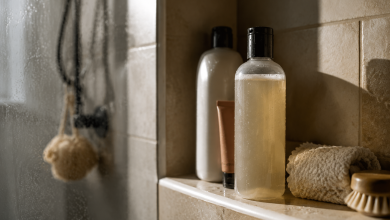
Switching to a sulfate-free or low-lather shampoo, even if it feels like it’s cleaning less thoroughly, is often the most effective long-term adjustment. The scalp’s natural state isn’t “squeaky clean.” That sensation is actually a sign that the protective lipid layer has been fully stripped. A gentler cleanse that removes excess sebum without completely eliminating it gives the glands less reason to surge into overproduction.
The temperature of your rinse water also plays a minor but legitimate role. Hot water opens follicles and stimulates sebaceous gland activity. A cooler final rinse not ice cold, just lukewarm helps close the follicle and slow oil secretion in the hours immediately after washing.
The 24-Hour Clock Is Actually Your Glands Running on Schedule
Sebaceous gland secretion has a circadian rhythm. Research has shown that sebum output peaks in the early afternoon and is lower in the early morning hours. Wash your hair at night, and you’re sending your glands into their most productive window without any recent cleansing which means by mid-morning the next day, you’re already working with several hours of peak production sitting at your roots. Wash in the morning, and you’ve bought yourself roughly until the following afternoon before the accumulation becomes visible.
None of this means you’re doing something wrong or that your scalp is unhealthy. In most cases, rapid sebum return is a normal variant amplified by habits, products, hormones, or all three at once. The scalp is doing exactly what it was designed to do. The friction is just that “designed to do” and “what we want it to do” don’t always align on the same 24-hour schedule.