
Stop Chasing Soreness: What Effective Workout Recovery Actually Looks Like
The Myth We Trained Ourselves to Believe
There’s a particular kind of pride that lives in the soreness. You wake up the morning after leg day barely able to descend the stairs, and somewhere in that grimace is satisfaction proof that you showed up, that you pushed hard enough, that the workout “worked.” Gyms have quietly endorsed this idea for decades. Fitness culture turned delayed onset muscle soreness into a badge, a signal, a measure of effort. If you’re not sore, you didn’t try hard enough. Right?
Wrong. And it’s worth spending real time unpacking why, because this particular myth has quietly derailed more fitness progress than laziness ever could.
Soreness is not a measure of workout quality. It’s a measure of novelty and accumulated mechanical stress often nothing more. A new movement pattern, an unusual range of motion, an eccentric overload you haven’t performed in a while: all of these will leave you sore regardless of whether the session was intelligent or productive. Do a set of walking lunges for the first time in six months and your quads will be screaming for two days. That doesn’t mean the workout was exceptional. It means your tissue wasn’t adapted to that specific demand yet.
Here’s the uncomfortable flip side: experienced athletes who train consistently, intelligently, and progressively often experience very little soreness. Not because they’ve gone soft. Because their bodies have adapted. Because their recovery systems are functioning well. Because they understand how to modulate volume and intensity over time. The absence of soreness in these people isn’t a red flag it’s evidence that the system is working exactly as it should.
What Recovery Actually Is
Most people think of recovery as the absence of activity. A rest day means lying on the couch, eating whatever, waiting for the soreness to fade. That’s not recovery. That’s just not training.
Real recovery is an active biological process. When you stress muscle tissue through training, you’re creating micro-damage controlled, deliberate disruption at the cellular level. Recovery is the body’s response to that signal: inflammatory cascades, protein synthesis, satellite cell activation, structural repair and adaptation. This doesn’t happen because you sat still. It happens because you gave your body the raw materials and conditions to do its job.
Sleep is the most underrated recovery tool in existence. During slow-wave and REM sleep, the body releases growth hormone in significant pulses, drives protein synthesis, and consolidates the neuromuscular adaptations initiated by training. Most adults get somewhere between six and seven hours on a good night. Most serious athletes need closer to eight or nine. That gap one to two hours of sleep represents a significant portion of the recovery process that simply doesn’t occur. No supplement, no ice bath, no compression sleeve makes up for it.
Nutrition operates on a similar logic. The body cannot repair what it doesn’t have material to repair with. Protein timing matters less than protein consistency getting adequate daily intake (somewhere in the range of 0.7to 1 gram per pound of bodyweight for active individuals) is the foundation. Carbohydrates replenish muscle glycogen, which governs your ability to perform in the next session. Chronic underfueling is one of the most common and least discussed reasons people plateau, feel perpetually run-down, and yes, remain excessively sore. They’re not recovering because they’re not eating enough.
The Problem with Chasing the Signal Instead of the Outcome
When you optimize for soreness, you’re optimizing for a byproduct rather than the goal. It’s the equivalent of a doctor who optimizes for high medication dosage rather than patient health. More doesn’t mean better. It might mean worse.
The consequence is a pattern that a lot of dedicated gym-goers know intimately, even if they haven’t named it: the cycle of overreach and stagnation. You push hard, get very sore, need four or five days before you can train that muscle group again, train it once or twice a week at best, and wonder why you’re not progressing faster. Meanwhile someone training with well-managed volume and frequency hitting a muscle group two or even three times per week with appropriate load accumulates more total quality stimulus over a month and makes substantially more progress, with far less systemic fatigue.
There’s a concept in exercise physiology called the stimulus-recovery-adaptation cycle. You apply a stress, the body recovers, the body adapts (becomes slightly more capable). Then you apply a slightly greater stress and repeat. The key variable most people miss is that adaptation happens during recovery not during the workout. The workout is just the trigger. If you’re so beaten up that you can’t train the muscle again for a week, you’re extending the gap between adaptation cycles and actually slowing down your progress.
This is what periodization is designed to address. Not just to prevent injury (though it does that too), but to structure training in a way that keeps you in the adaptation window rather than the damage window. The difference between those two windows is often a matter of volume and intent, not effort.
What Actually Tells You Recovery Is Working
If soreness is the wrong metric, what’s the right one?
Performance is the most honest signal. Can you match or exceed your previous effort in your next session? Are your strength numbers trending upward over weeks and months? Do you feel capable rather than depleted when you walk into the gym? These are the things worth tracking. A well-recovered athlete shows up ready. A chronically under-recovered one shows up grinding through fatigue and calling it discipline.
Resting heart rate is another useful and often overlooked indicator. Most wearables track it now, and a meaningful spike above your baseline five to ten beats per minute or more frequently indicates systemic stress that hasn’t resolved. It might be from training load. It might be from poor sleep, high psychological stress, or illness. It doesn’t matter which: the elevated number is a signal that your recovery systems are working overtime, and piling more training stress on top of that is unlikely to produce the results you’re hoping for.
Heart rate variability, or HRV, works on related principles. Higher HRV generally reflects a more recovered nervous system greater readiness for stress. Lower HRV suggests the opposite. Neither number means much in isolation, but tracked over time they form a picture of how your body is absorbing and responding to the training you’re giving it.
The subjective cues matter too, and deserve more credit than fitness culture typically gives them. How motivated do you feel to train? Not guilty, not obligated actually motivated. Do your joints feel clear and mobile, or loaded and stiff? Are you sleeping deeply or restlessly? These aren’t soft questions. They’re real-time data points from the system you’re trying to train.
Active Recovery and the Art of Doing Less, Better
There’s a middle ground between hard training and complete rest that most people either skip over or execute poorly: active recovery. This means low-intensity movement walking, light cycling, easy swimming, mobility work that promotes blood flow, reduces stiffness, and supports the clearance of metabolic byproducts without adding meaningful stress to the system.
The key word is low. Active recovery sessions that drift into moderate intensity aren’t recovery they’re just training with extra steps. If you’re working hard enough to breathe heavily or feel challenged, you’ve missed the point. The goal is gentle circulation, not stimulus. An easy thirty-minute walk the day after a heavy lifting session will leave most people feeling markedly better than spending that same day completely immobile.
Mobility work and deliberate stretching fit here too, particularly when performed in a relaxed, exploratory way rather than as a performance. The therapeutic value isn’t primarily structural you’re not meaningfully lengthening muscle tissue with a few minutes of stretching. But the parasympathetic activation that comes from slow, intentional movement does appear to support recovery, and the psychological decompression of a calm mobility session before bed is something many serious athletes swear by, even if it’s harder to quantify.
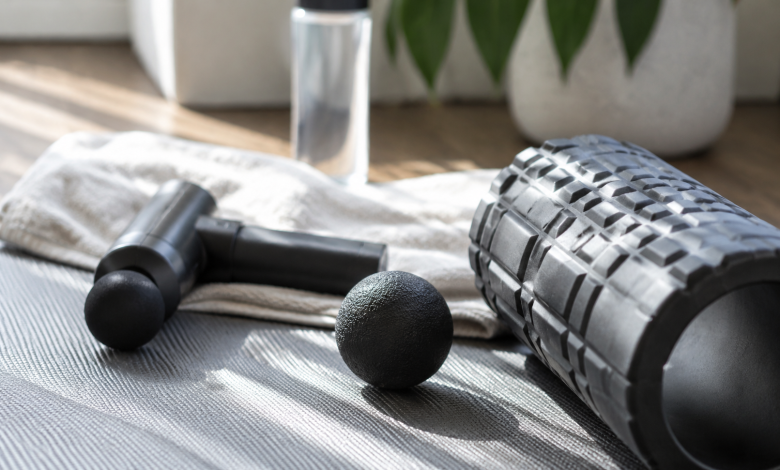
Cold water immersion, sauna, massage, foam rolling these all occupy a supporting role. Some have genuine physiological mechanisms behind them. All of them are secondary to the fundamentals. You cannot cold plunge your way out of chronic sleep deprivation. You cannot massage away the effects of persistent underfueling. The hierarchy matters, and most people are focused on the accessories while neglecting the foundation.
Training Smarter Means Redefining What Hard Work Looks Like
There’s nothing wrong with training hard. Intensity is necessary. Discomfort is part of the process. But hard work and intelligent work are not in opposition to each other and conflating soreness with effectiveness is one of the more expensive mistakes you can make over a long training career.
The athletes who last, who keep progressing for years and decades rather than burning bright and flaming out, have all figured out the same thing in different ways: recovery isn’t what you do between the real work. Recovery is where the work actually becomes results. Protect it the way you protect your training sessions, and eventually the numbers on the bar will reflect what you’ve figured out.