
Leaving Your Baby for the First Time: Coping with Separation Anxiety as a Parent
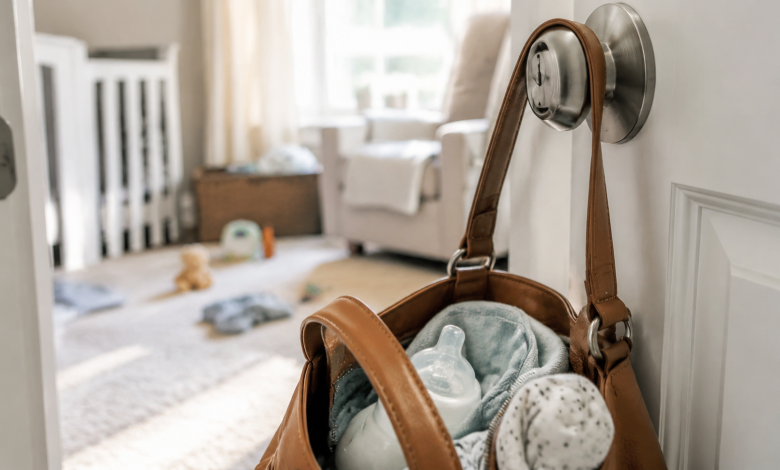
The Moment You Didn’t Expect to Hit You This Hard
You’ve planned everything. The diaper bag is packed with military precision. You’ve left a handwritten schedule on the counter nap times, feeding windows, the specific way she likes her burp cloth folded. You’ve chosen the caregiver carefully, vetted them, maybe even done a trial run. And yet, the moment you step toward the door and hear that first confused whimper, something in your chest simply collapses.
Nobody really prepares you for this part. The books cover sleep regressions and milestone charts. The parenting forums debate formula versus breast milk. But the visceral, almost physical experience of leaving your baby for the first time that specific grief that isn’t really grief, that fear that isn’t quite fear tends to get glossed over with a breezy “it gets easier.” Which is true. And also not the point at all when you’re standing in a parking lot crying into your steering wheel.
Parental separation anxiety is real, clinically acknowledged, and far more common than most new parents realize. Studies suggest that somewhere between 20 and 40 percent of new mothers experience significant anxiety when separated from their infants, and fathers are not exempt from this, even if cultural conditioning makes them less likely to name it out loud. The biology alone explains a great deal. Oxytocin the same bonding hormone that flooded your system during birth and breastfeeding literally rewires how your brain processes threat. Your baby’s cry activates the same neural alarm system as a smoke detector. You are not being irrational. You are running exactly the software evolution installed.
Why the First Separation Feels Like a Betrayal
There’s an emotional logic underneath the anxiety that’s worth examining, because understanding it tends to loosen its grip.
In the early weeks and months of a baby’s life, proximity is protection. You are not just emotionally present you are the entire ecosystem your child depends on for survival. You regulate their temperature, their feeding, their sense of safety. The bond you’ve built isn’t sentimental decoration; it’s functional. It keeps a small, helpless human alive. So when your nervous system fires warning signals as you walk out that door, it’s doing its job. The problem is that the job description hasn’t updated to reflect that a competent grandmother, a trained nanny, or a quality daycare can, in fact, keep your child safe without you.
There’s also something harder to admit: the anxiety isn’t always purely about the baby. For many parents, especially those who have absorbed their new identity deeply, the first separation triggers questions about who they are outside of this role. Going back to work, or even just taking an afternoon to yourself, can feel like a small identity crisis dressed up as logistics. The guilt compounds this. There’s a whisper sometimes louder than a whisper that wanting to leave, even briefly, even for something important, makes you a less devoted parent. It doesn’t. But the feeling arrives anyway.
What Actually Helps (Beyond the Generic Advice)
The standard advice “start small,” “build up gradually,” “trust your caregiver” is correct, but it often gets delivered in a way that makes anxious parents feel like they just need to white-knuckle through discomfort. That framing misses something important.
Starting small works not because exposure numbs you into indifference, but because it builds a genuine evidence base. Each short separation that ends with your baby happy and intact is data. It’s your nervous system running a test and receiving a result: things were fine. The next separation is slightly easier not because you care less, but because you now have proof, stored in your body, not just your intellect.
A concrete handoff ritual can do more work than people expect. Rather than dragging out the goodbye which, research on daycare transitions confirms, tends to prolong distress for both parent and child a warm, consistent, brief farewell followed by a clean exit signals safety. It sounds counterintuitive, but babies take emotionalcues from parents. A prolonged, tearful departure communicates alarm. A confident, affectionate goodbye communicates: this is normal, I will return, you are safe. You’re allowed to fall apart in the car afterward. The ritual is for both of you.
What tends to get overlooked is the importance of how you spend the separation itself. If you spend your first solo hour refreshing the caregiver’s number, catastrophizing in an empty apartment, and feeling guilty for catastrophizing you haven’t given yourself a separation at all. You’ve just relocated your anxiety. This doesn’t mean you should force yourself to perform enjoyment. It means that, where possible, giving the time some structure a specific errand, a coffee with a friend, even a long shower with the door closed anchors you in your own personhood, which is exactly what the separation is partly designed to restore.
When the Anxiety Belongs to the Baby
Around six to eight months, something shifts. Your baby, who was previously content to be passed around at family gatherings, starts watching your movements with intense suspicion. Stranger anxiety and separation anxiety emerge in infants at roughly this developmental window and it’s one of the more disorienting surprises of early parenthood, particularly if you’ve just started to feel comfortable with the idea of leaving.
This is actually a sign of healthy attachment, not a problem you’ve created. The baby who protests your departure has developed what developmental psychologists call object permanence she now knows you exist when you’re out of sight, which means she also knows when you’re gone. The distress is real. It’s also temporary in the acute sense, and manageable in ways that don’t require you to never leave.
Peek-a-boo isn’t just a cute game. It’s a developmental tool. It teaches, repeatedly and playfully, that things that disappear come back. Consistent, predictable separations and returns teach the same lesson at a larger scale. The parent who leaves and always comes back is building a trust infrastructure that will serve that child for years.
Holding Both Truths at Once
Here’s the thing nobody says clearly enough: you can be a deeply attached, wholly devoted parent and also need time that is yours. These are not opposing forces. They are, in a healthy family system, mutually reinforcing ones. A parent who has space to breathe, to work, to be a person with dimensions beyond caregiving, tends to return more present, more patient, more genuinely available than one who has martyred every boundary in the name of perfect devotion.
The separation anxiety you feel leaving your baby for the first time is not a flaw in your character or evidence that you’re doing something wrong. It’s the cost of having loved something this much, this fast. Let yourself feel it. Then get in the car, take a breath, and trust the evidence your own careful choices have already built.
The door you walked out of swings both ways. You will come back. You always come back. And every time you do, both of you learn something true about the world.